
NAVIGATING THE ROADBLOCK: A GUIDE TO TRADEMARK PROVISIONAL REFUSAL BY MYIPO

Filing a trademark is a critical step in securing your brand’s identity. In Malaysia, the journey from application to registration is managed by the Intellectual Property Corporation of Malaysia (MyIPO). While most applicants hope for a smooth path, a common hurdle is the issuance of a Provisional Refusal.
By understanding the process and responding decisively within the deadline, you can navigate this roadblock effectively and continue toward the successful registration of your brand.
What is a Provisional Refusal?
Under Malaysian law, specifically Section 29 of the Trademarks Act 2019, MyIPO conducts a thorough examination of every trademark application. If the Registrar finds that the application does not meet the legal requirements for registration, they issue a notice of “Provisional Refusal”. This notice will outline the specific objections and the applicant is given two months to respond, failing of which the application will be deemed withdrawn.
Why Do Refusals Happen?
MyIPO examines applications based on two primary categories of grounds:
- Absolute Grounds (Inherent Issues)
These objections relate to the trademark itself. A mark will be refused if it lacks distinctiveness or is considered too generic. Common examples include:
- Descriptive terms: Using a word that merely describes the quality or purpose of the goods (e.g., “Delicious” for food).
- Generic terms: Common names or signs used in the trade.
- Geographical names: Locations that could mislead consumers about the origin of the product.
Example:
| Applied Mark | Ground(s) of objection by MyIPO |
| Automotive Hi-Tech Valley (AHTV) | The Applied Mark is a combination of non-invented words, comprises of words having direct reference to character or quality of the goods offered and is not a distinctive mark as it is incapable to differentiate the services claimed by the Applicant with the services offered by the other traders. |
 |
The Applied Mark is devoid of any distinctive character and consists of signs or indications which may serve, in trade, to designate the kind, quality, quantity, intended purpose, value, geographical origin, other characteristics of goods or the time of production of goods. |
- Relative Grounds (Conflicts with Existing Rights)
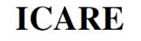
These objections occurs when your proposed mark conflicts with earlier rights. MyIPO conducts a search of its database and if your mark is identical or similar to an existing applied and/or registered trademark for identical and/or similar goods or services, the Registrar will object under Section 24 of the Trademarks Act 2019.
Example:
| Applied Mark | Cited Mark(s) by MyIPO | Ground(s) of objection by MyIPO |
 |
 |
The Applied Mark is similar to the earlier trademarks and is to be registered for goods/services identical with/similar to the earlier trademarks. |
 |
   |
How to Respond: Your Strategic Options
Once you receive a notice, you have one opportunity to respond (i.e. appeal). It is crucial to act strategically within the stipulated timeframe.
You generally have two routes:
- Option 1: File a Written Submission
This involves submitting written legal arguments to the Registrar. Depending on the objection, this may include distinguishing your mark from cited prior marks, arguing acquired distinctiveness or limiting the list of goods or services.
- Option 2: Request an Ex-Parte Hearing
This is a face-to-face meeting with the Registrar. It allows you to explain your case in person, clarify misunderstandings and engage in direct dialogue. You may also file written legal arguments, typically in the form of skeletal submissions which are presented to the Registrar prior to or during the hearing.
Strategic Considerations
For businesses looking to secure their brand in Malaysia, there are several current nuances to be aware of:
(i) The “One-Shot” Rule
Under the current regulations, applicants generally have only one chance to reply to a Provisional Refusal. If your response fails to overcome the objections, the refusal becomes final, and the next step is an expensive and time-consuming appeal to the High Court. Given the finality of this opportunity, choosing the right response strategy is critical.
When deciding between the two available options, it is important to weigh their respective advantages and drawbacks:
| Pros | Cons | |
| Option 1: Written Submission | Generally faster to prepare and file; allows for carefully crafted legal arguments supported by evidence and case law; the Registrar can review the submission at their convenience. | Lacks the opportunity for real-time dialogue; there is no chance to clarify misunderstandings or address the Registrar’s concerns directly during the review process. |
| Option 2: Ex-Parte Hearing | Provides a valuable opportunity to meet the Registrar face to face; allows for direct engagement, clarification of complex issues and the ability to address concerns on the spot; can be more persuasive when the case involves nuanced arguments. | Scheduling the hearing typically takes longer than filing a written submission, which may extend the overall timeline; preparation is more intensive and the outcome may still depend on the strength of the underlying evidence. |
Given the “one-shot” nature of the response, applicants should carefully assess their circumstances before selecting a route. Where the grounds for refusal are straightforward, a written submission may suffice. However, where the case involves complex factual or legal issues, the face-to-face engagement of an ex-parte hearing may offer a better chance of success, provided the longer timeline is acceptable.
(ii) The Role of Evidence of Use
Regardless of whether you choose a written submission (Option 1) or request a hearing (Option 2), it is often essential to support your arguments with concrete evidence of use. Evidence of use should be presented in a Statutory Declaration, accompanied by exhibits.
While Malaysia permits applications based on “proposed use” (meaning the mark need not be in use at the time of filing), demonstrating actual or intended use can be powerful in overcoming objections, particularly those based on lack of distinctiveness.
- Where the mark is already used – If the mark is already in use in Malaysia, you should submit evidence demonstrating the extent and duration of such use. This may include packaging, advertising materials, invoices, brochures and social media posts. Such evidence helps establish that the mark has acquired distinctiveness in the marketplace through actual commercial activity.
- Where the mark is intended to be used – If the mark has not yet been launched, evidence of preparatory activities can be submitted to show genuine intention to use the mark in Malaysia. This may include marketing plans, pre-launch promotional materials, product prototypes or samples of packaging ready for production.
Properly compiled evidence in either scenario can significantly strengthen your case by illustrating that the mark has acquired distinctiveness or is genuinely committed to use.
(iii) Honest Concurrent Use
If the refusal is based on a conflicting earlier mark (Relative Grounds), one potential avenue is to argue honest concurrent use. This applies where you can demonstrate that your mark has been used honestly and in parallel with the earlier mark for a significant period, without causing actual confusion in the marketplace.
Under Malaysian practice, the Registrar may allow registration in such cases if you can prove that your use of the mark has been nearly as long as that of the earlier applicant, if not longer. Evidence supporting this argument typically includes extensive sales records, advertising expenditure, market surveys and proof of co-existence without instances of consumer confusion. However, this is a high threshold to meet and success depends heavily on the strength and duration of the evidence presented.
(iv) Consent Letters
If the refusal is based on a conflicting earlier mark (Relative Grounds), it is also possible to obtain a Letter of Consent from the owner of that prior mark. While MyIPO considers such letters, the Registrar retains discretion to reject the application if there is genuine concern about public confusion.
In practice, consent letters are typically submitted by an applicant in the context of related companies, such as between a holding company and its subsidiaries, where the commercial relationship ensures that confusion is unlikely. Obtaining a consent letter from an unrelated entity is generally difficult, as third parties are rarely willing to grant permission that may dilute their own brand rights. Such consent may only be possible in certain circumstances, such as where the parties operate in entirely different markets or where a co-existence agreement has been negotiated.
Conclusion
A Provisional Refusal is a common part of the trademark landscape in Malaysia. The key takeaway is that prevention and preparation are vital.
To minimize the risk of refusal:
- Conduct a trademark search before filing to identify potential conflicts.
- Choose a distinctive mark; avoid descriptive or generic terms.
- Engage a professional to ensure your application is robust and your response strategy is sound. In this regard, it is advisable to approach a trademark lawyer, as they are typically able to craft legal arguments supported by written case law, an important element when formulating a persuasive submission to overcome a Provisional Refusal.
If you receive notice of Provisional Refusal, it is important not to panic. A Provisional Refusal is not a final rejection; it is a temporary hold, giving you a chance to address the Registrar’s concerns. Understanding why these refusals happen and how to respond is key to keeping your brand protection on track.
Need help overcoming a trademark refusal or filing your trademark in Malaysia?
Low & Partners provides expert guidance at every stage of the trademark journey. Contact us to secure your brand and protect your business identity today.
Disclaimer: The above information is merely for general sharing and does not constitute any legal advice. Readers are advised to seek individual advice from professionals.
This article is written by
Azarith Sofia Binti Aziz
Registered Trademark, Patent and Industrial Design Agent
Principal Associate, Low & Partners
NAVIGATING THE ROADBLOCK: A GUIDE TO TRADEMARK PROVISIONAL REFUSAL BY MYIPO
Trademark Services FAQ
Questions? We're here to help